blackhawk blog
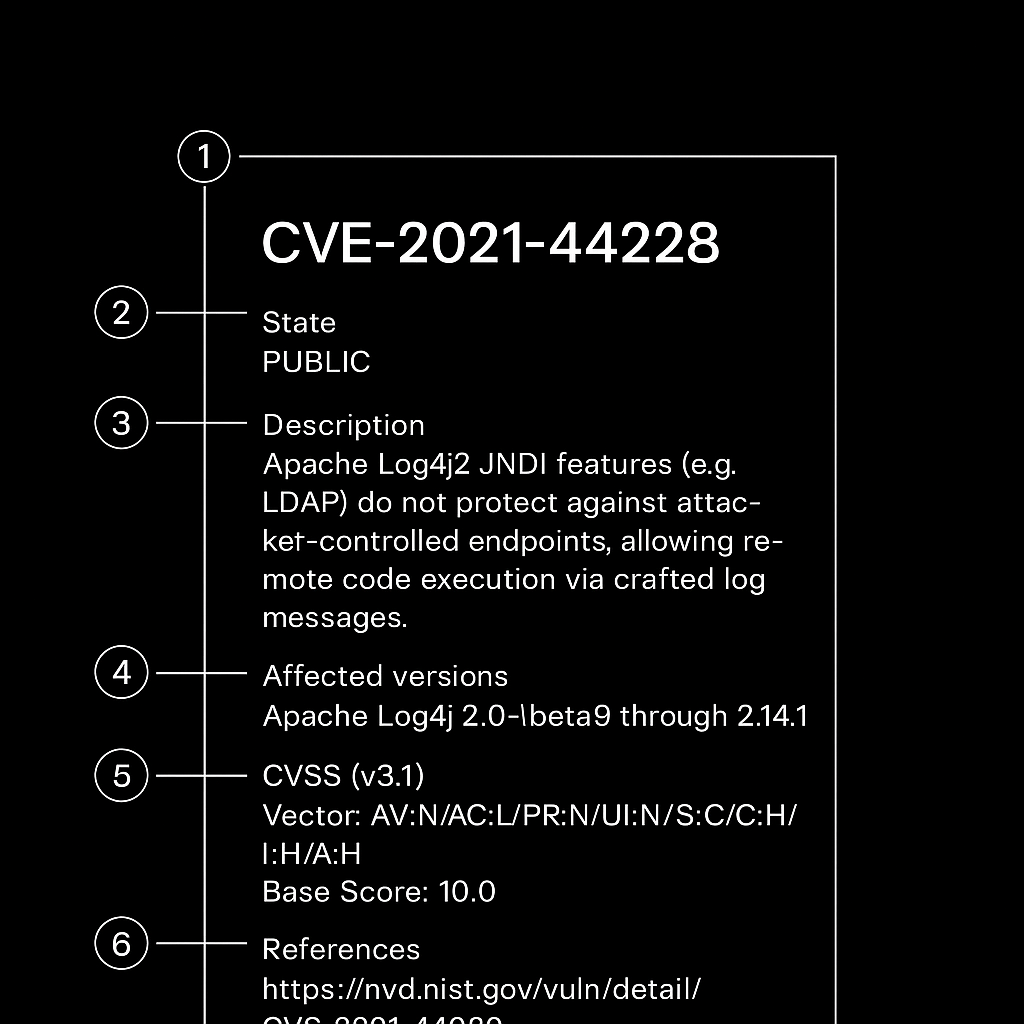
How to read a CVE and assess its risk
Learn how to read a CVE record, verify affected versions, decode CVSS, check EPSS and KEV, and prioritize remediation.
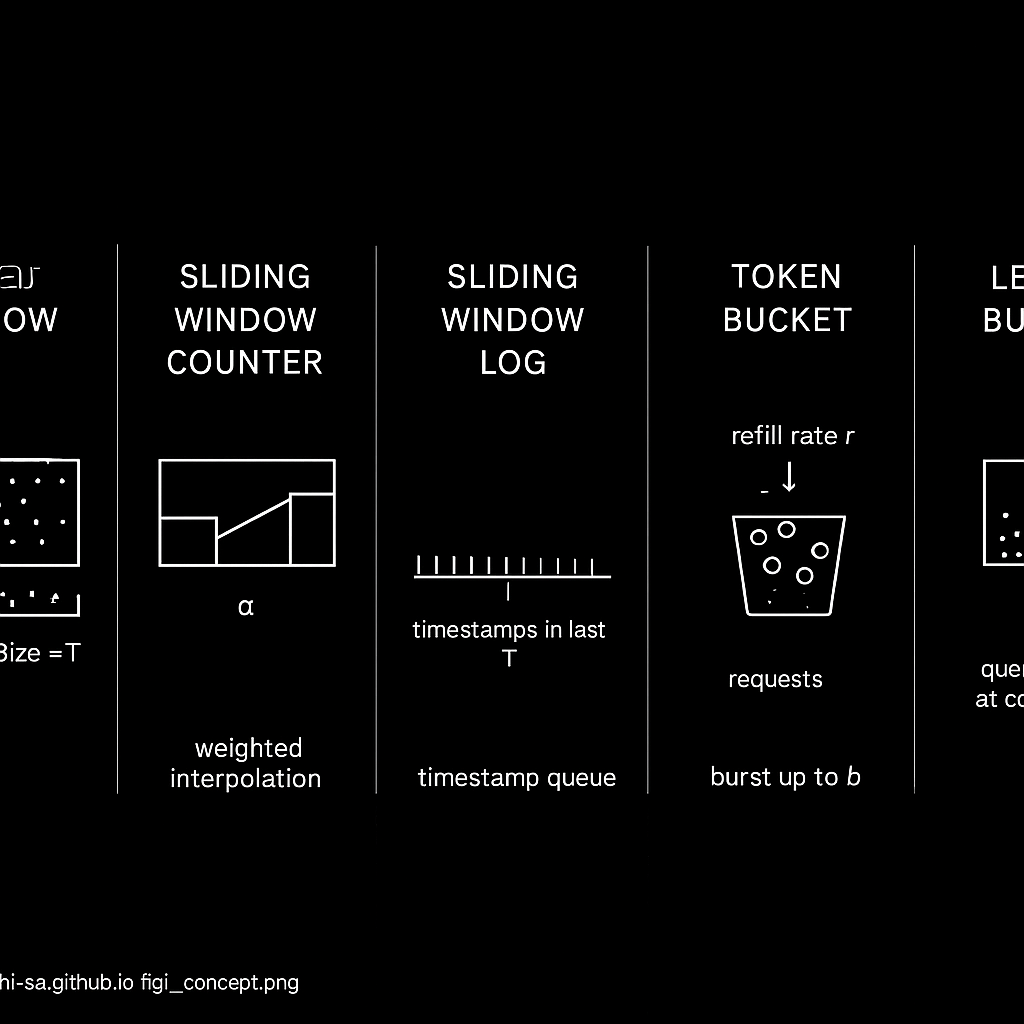
Rate limiting is a security control, not a counter
Choose rate limiting algorithms by burst behavior and attack model, then design identity, distributed state, overload handling, and HTTP signaling.
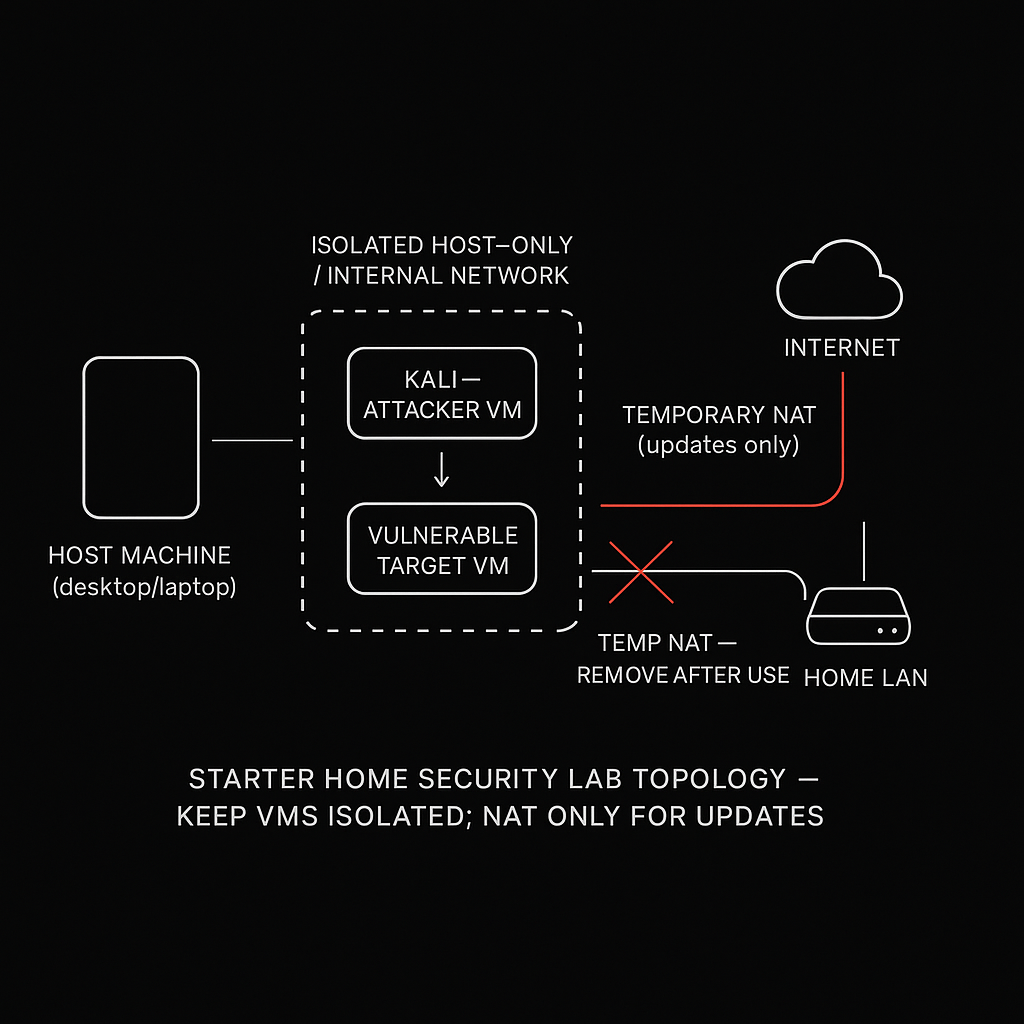
How to build a safe home security lab
Build an isolated home security lab with Kali, one vulnerable target, practical hardware guidance, and a safe first exercise.
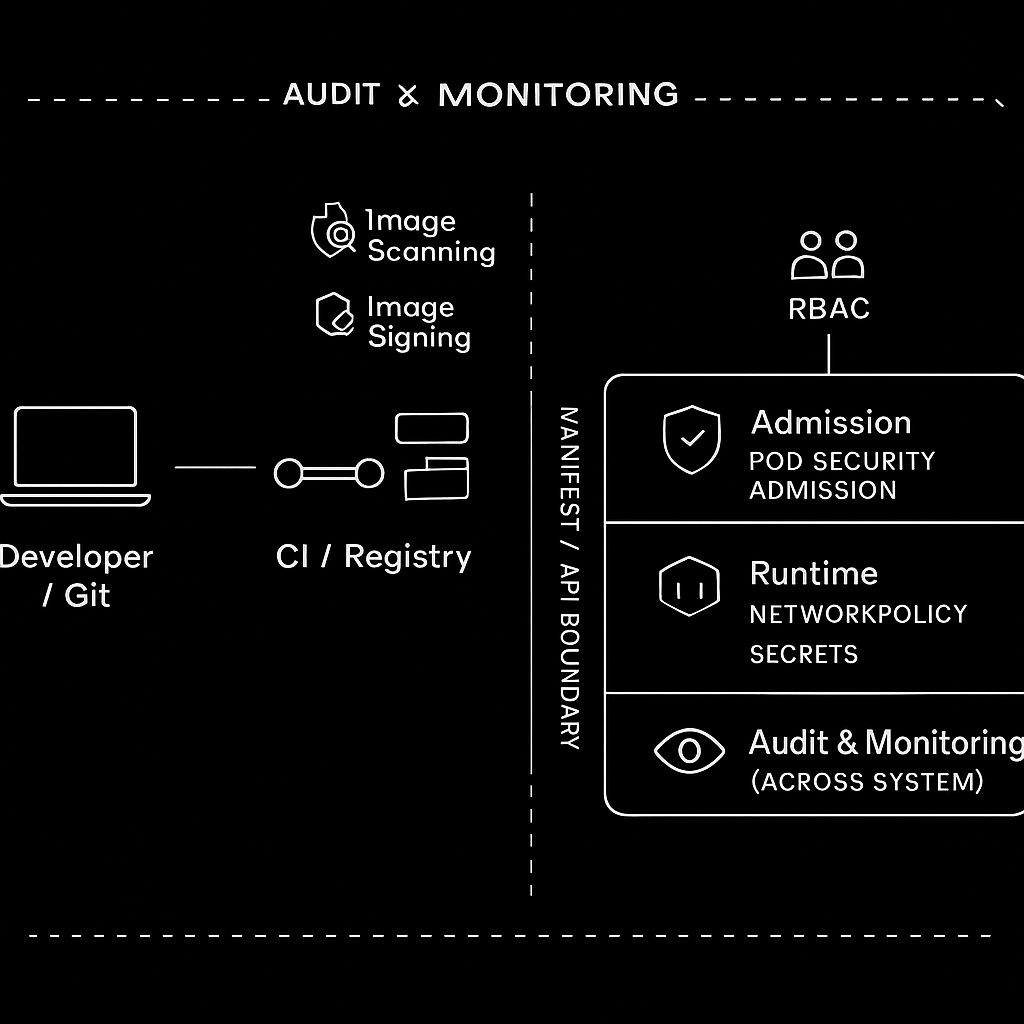
Secure a Kubernetes workload before it ships
Kubernetes security basics for developers: review RBAC, Restricted PSA, Secrets, network policy, image provenance, and platform evidence.
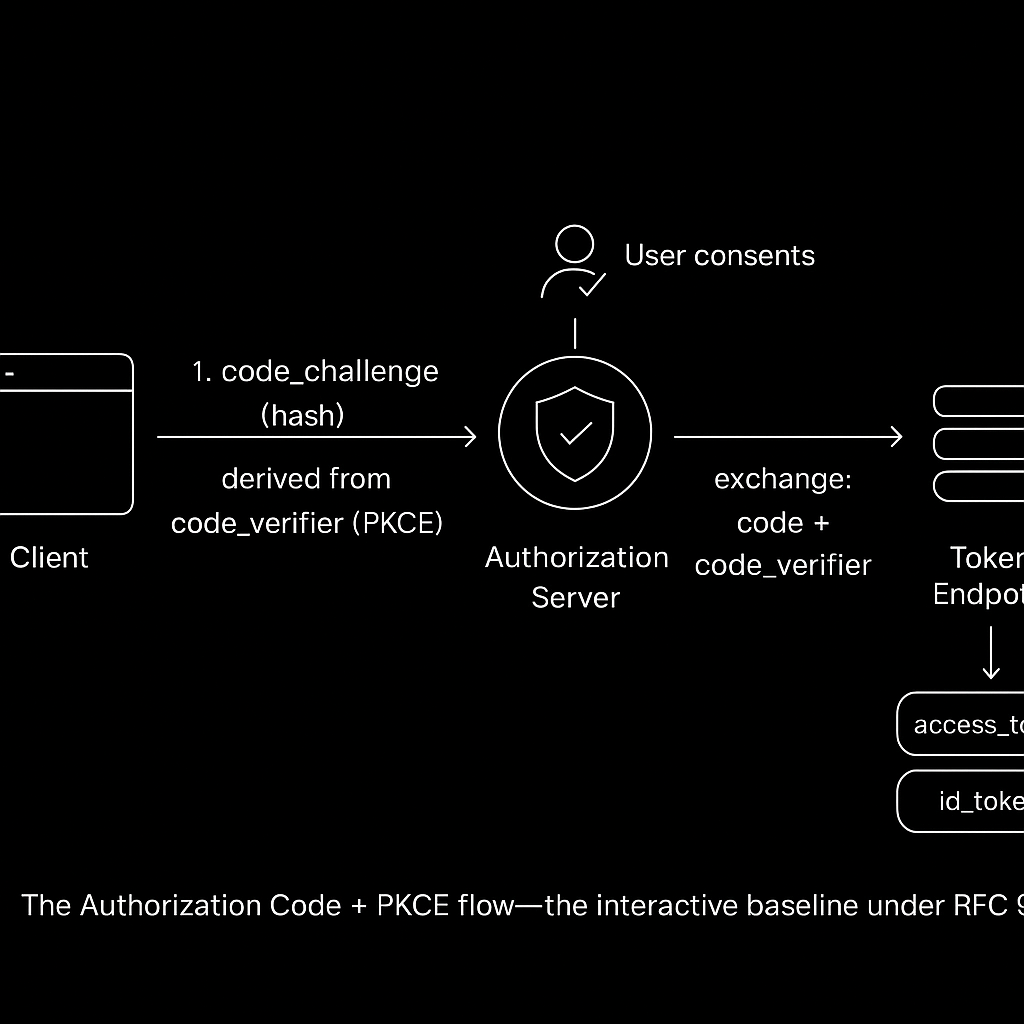
Implement OAuth 2.0 securely in 2026
A practical RFC 9700 guide to OAuth 2.0 in 2026: choose the right flow, protect callbacks and tokens, and migrate safely.
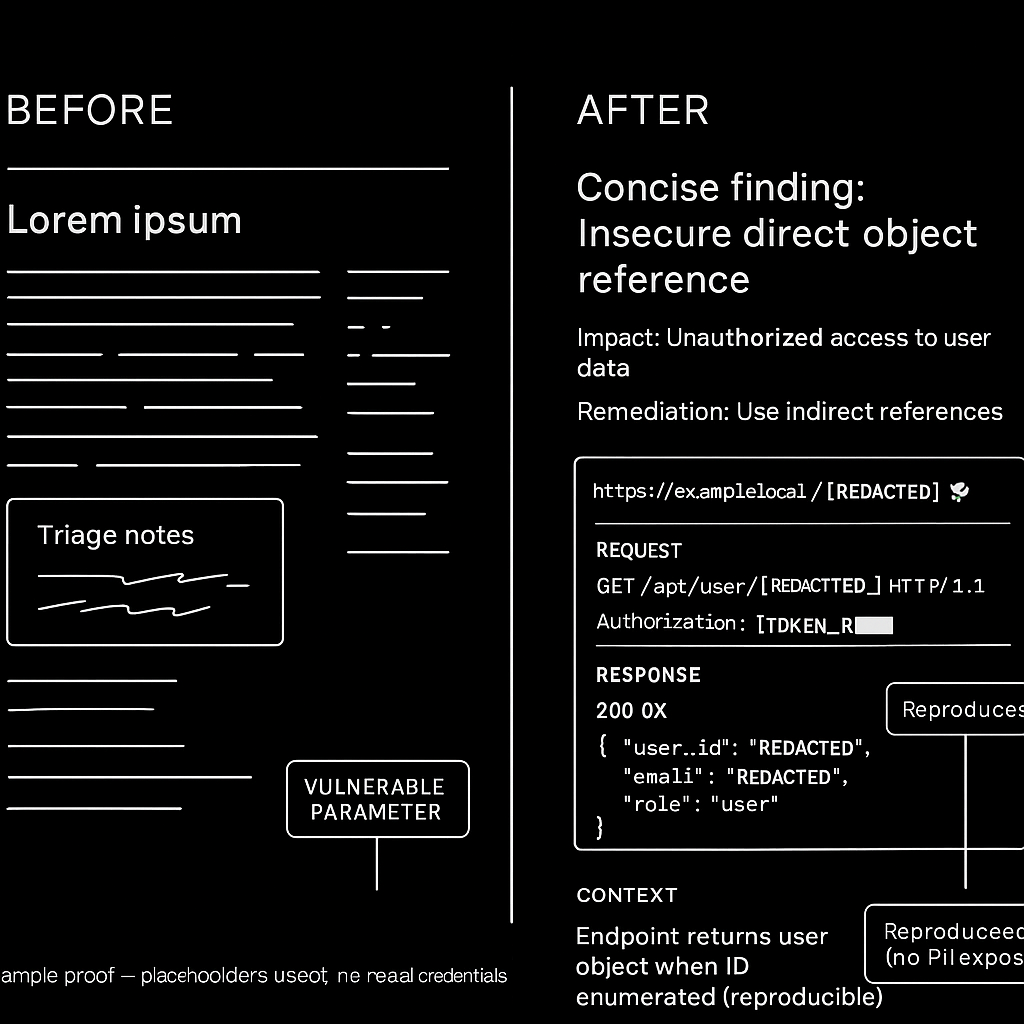
Write your first security report people will read
Learn how to write a security report that gives executives the decision and engineers the evidence they need to fix it.
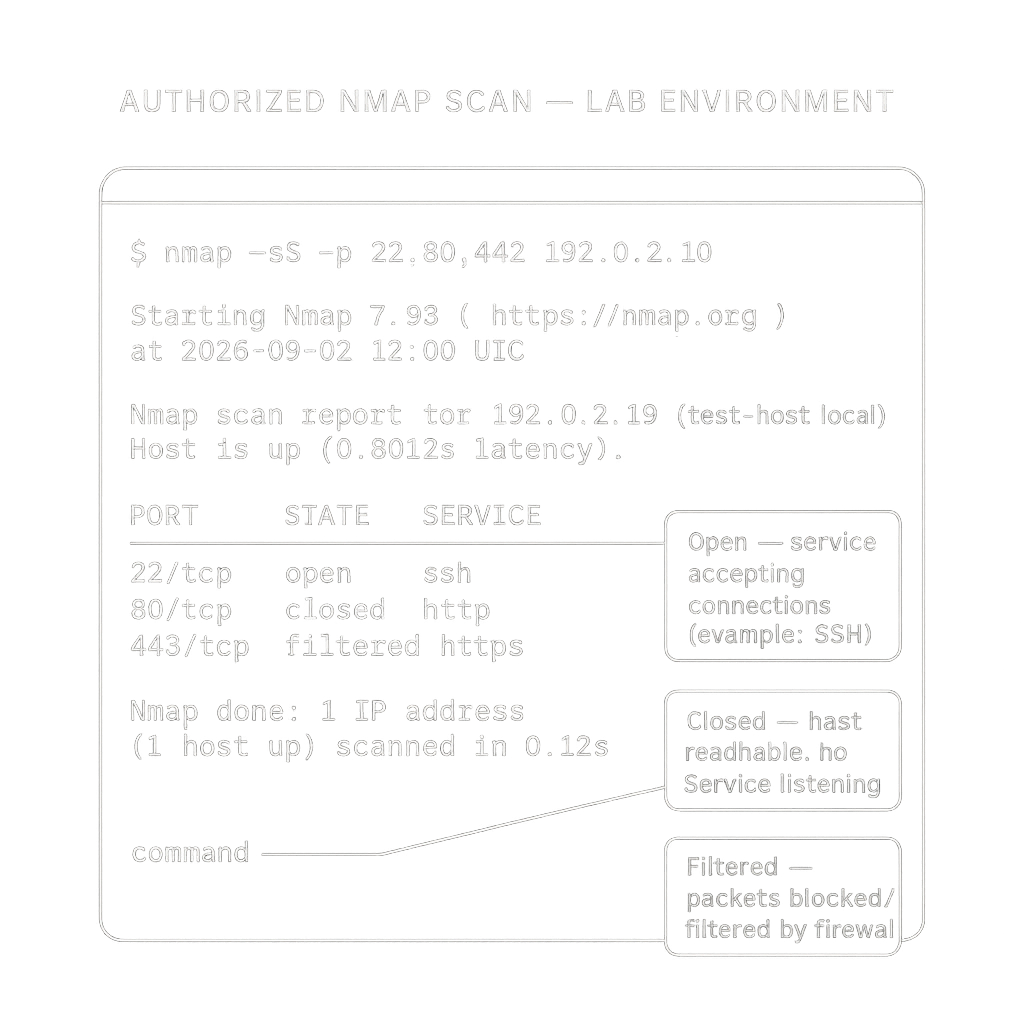
How to use Nmap safely and read the results
Learn how to use Nmap safely: authorize a target, discover hosts, read port states, save evidence, and choose the next tool.
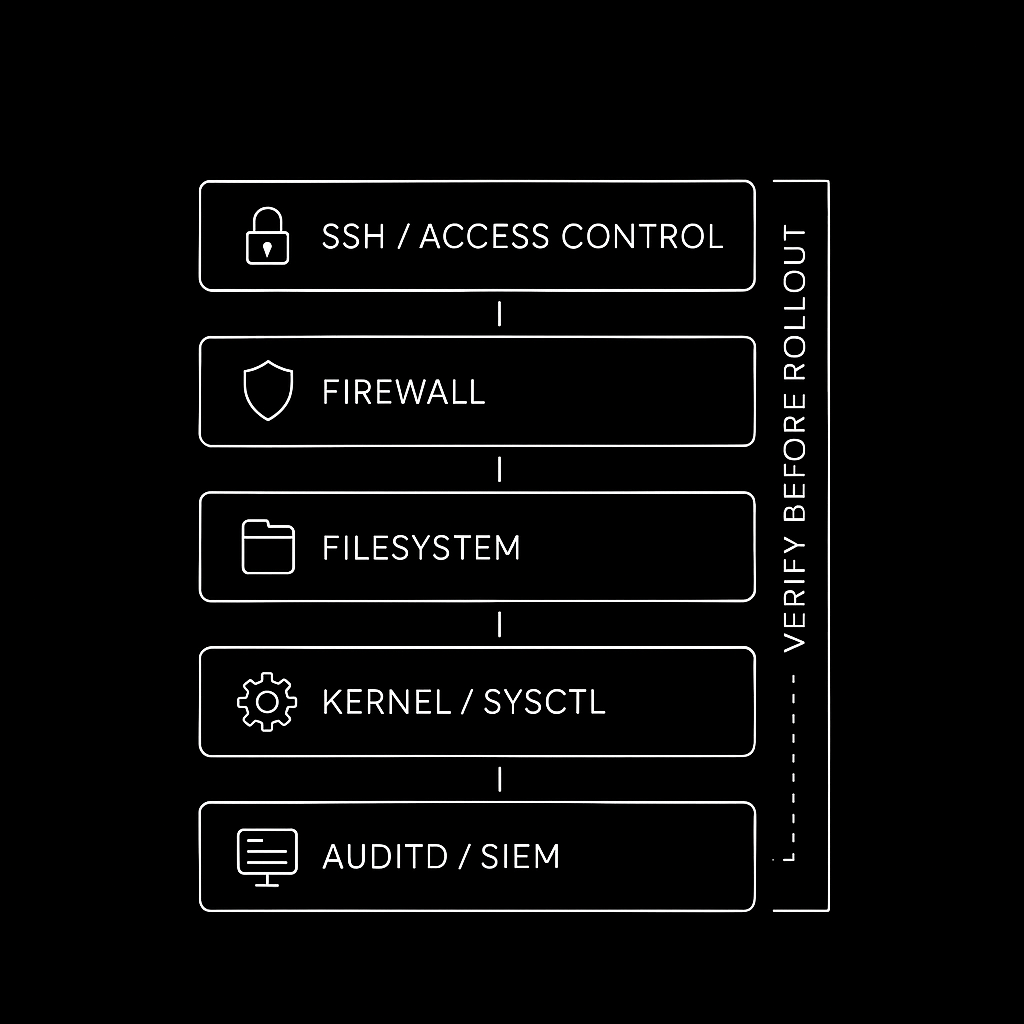
How to harden a Linux server safely in 2026
A risk-ordered Linux server hardening checklist for SSH, firewalls, filesystems, sysctl, auditd, SIEM forwarding, and safe verification.
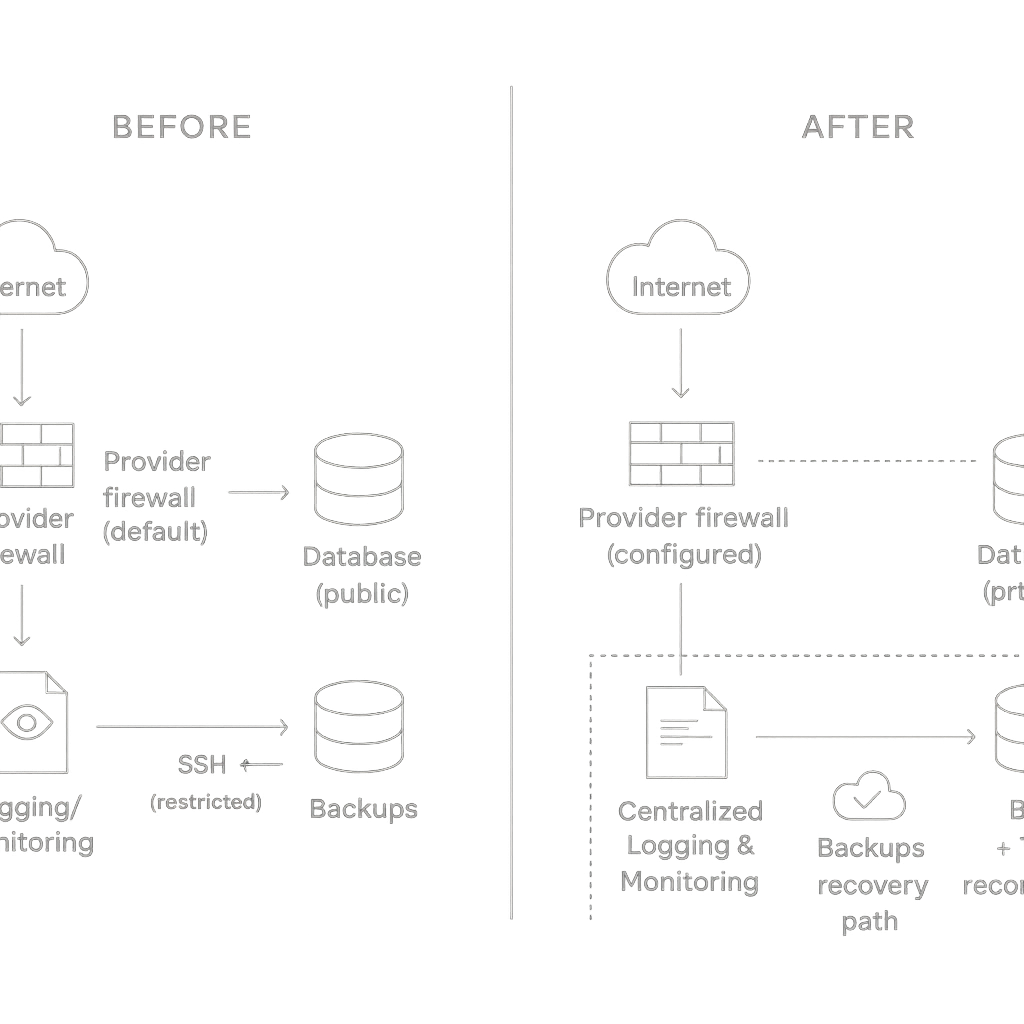
How to secure a VPS before you deploy
Harden an Ubuntu VPS safely: preserve recovery, secure SSH, reduce exposure, detect changes, and test restoration before deployment.
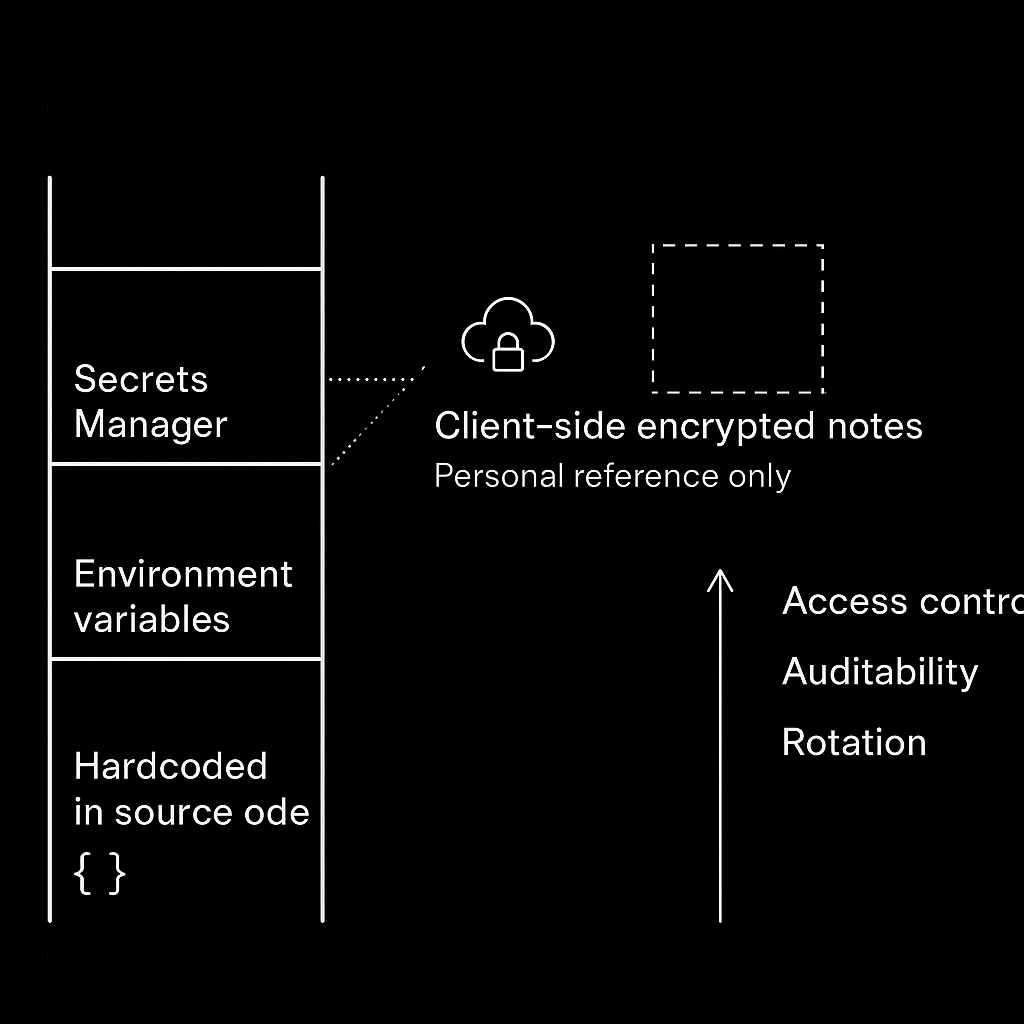
How to securely store API keys in 2026
Learn how to securely store API keys: classify secrets, choose `.env` or a manager, fetch them safely, rotate them, and revoke leaks.
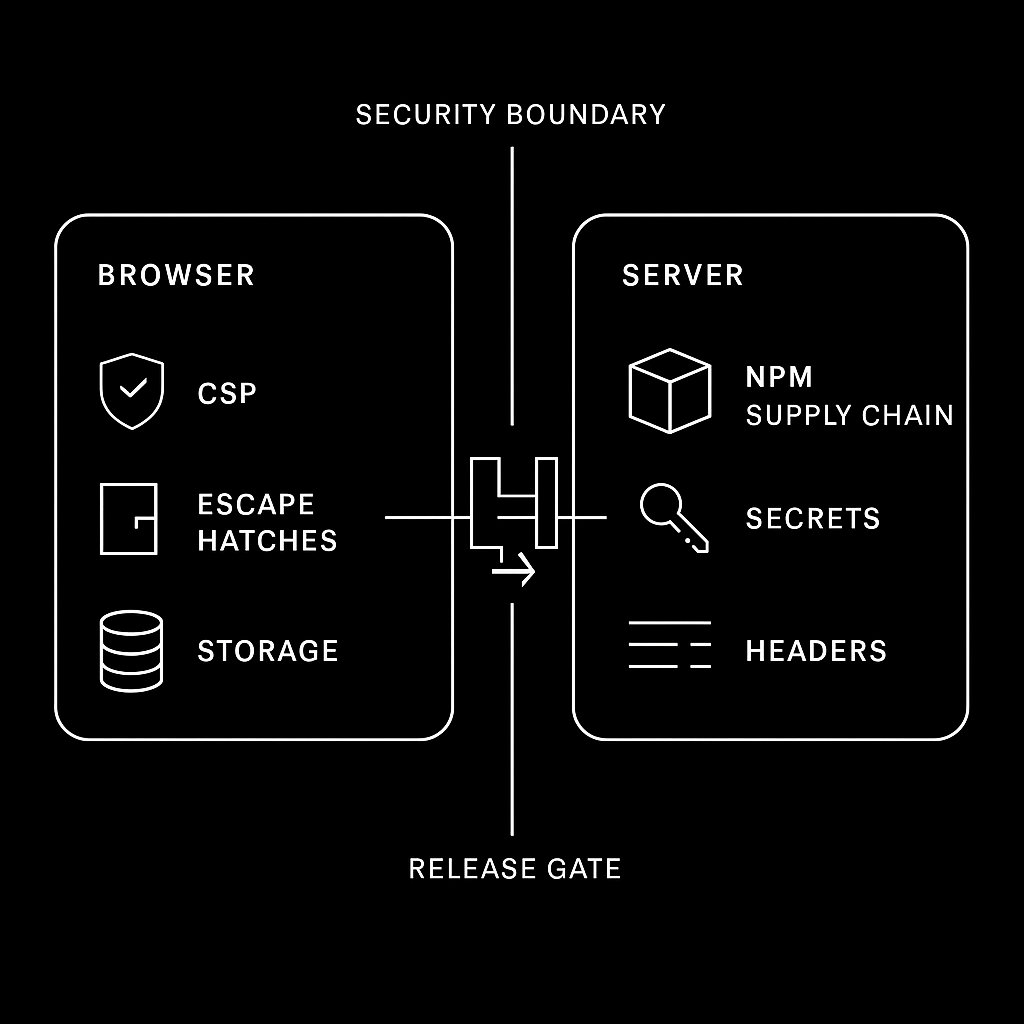
How to secure a React frontend before production
Decide whether a React app is ready to ship by checking XSS sinks, secrets, tokens, OAuth, dependencies, CSP, and headers.
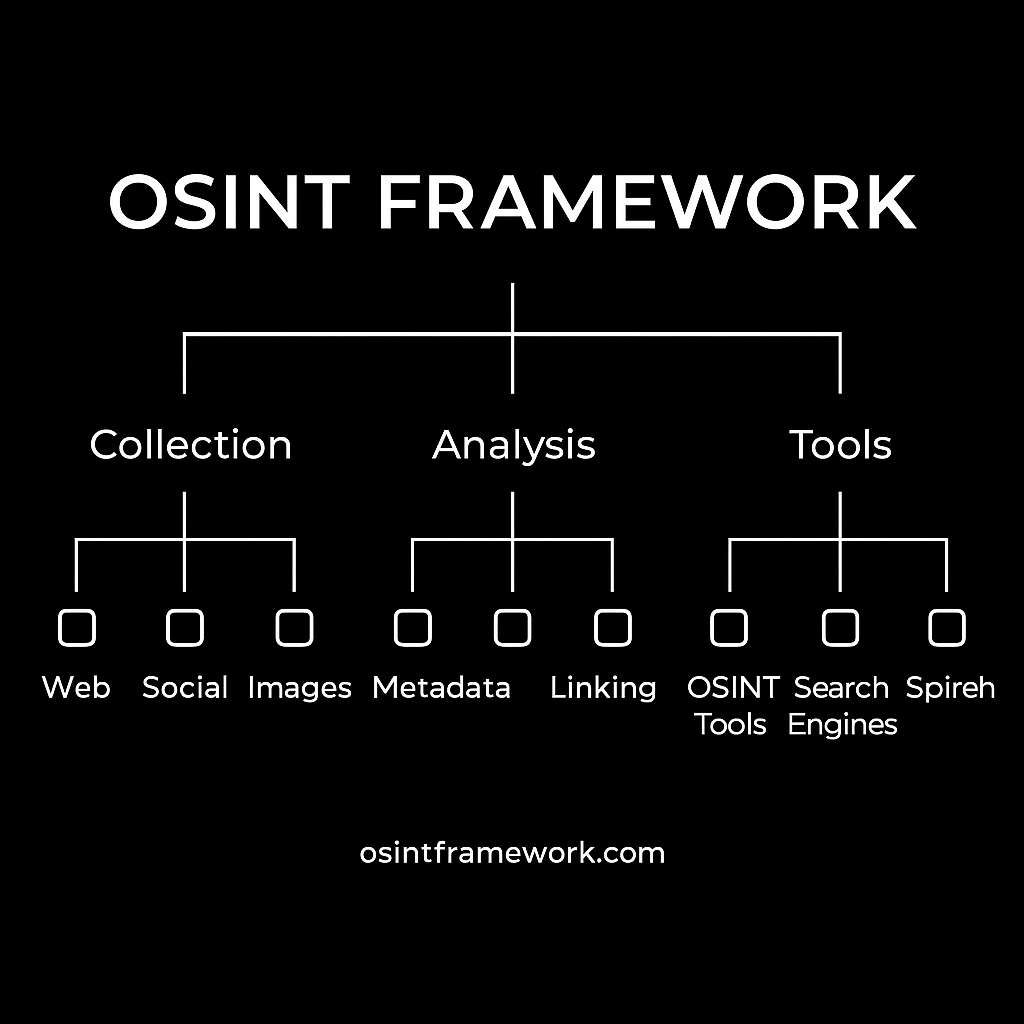
How to do OSINT: a practical workflow for 2026
Learn how to do OSINT with a lawful workflow for choosing tools, preserving sources, verifying claims, protecting OPSEC, and reporting confidence.
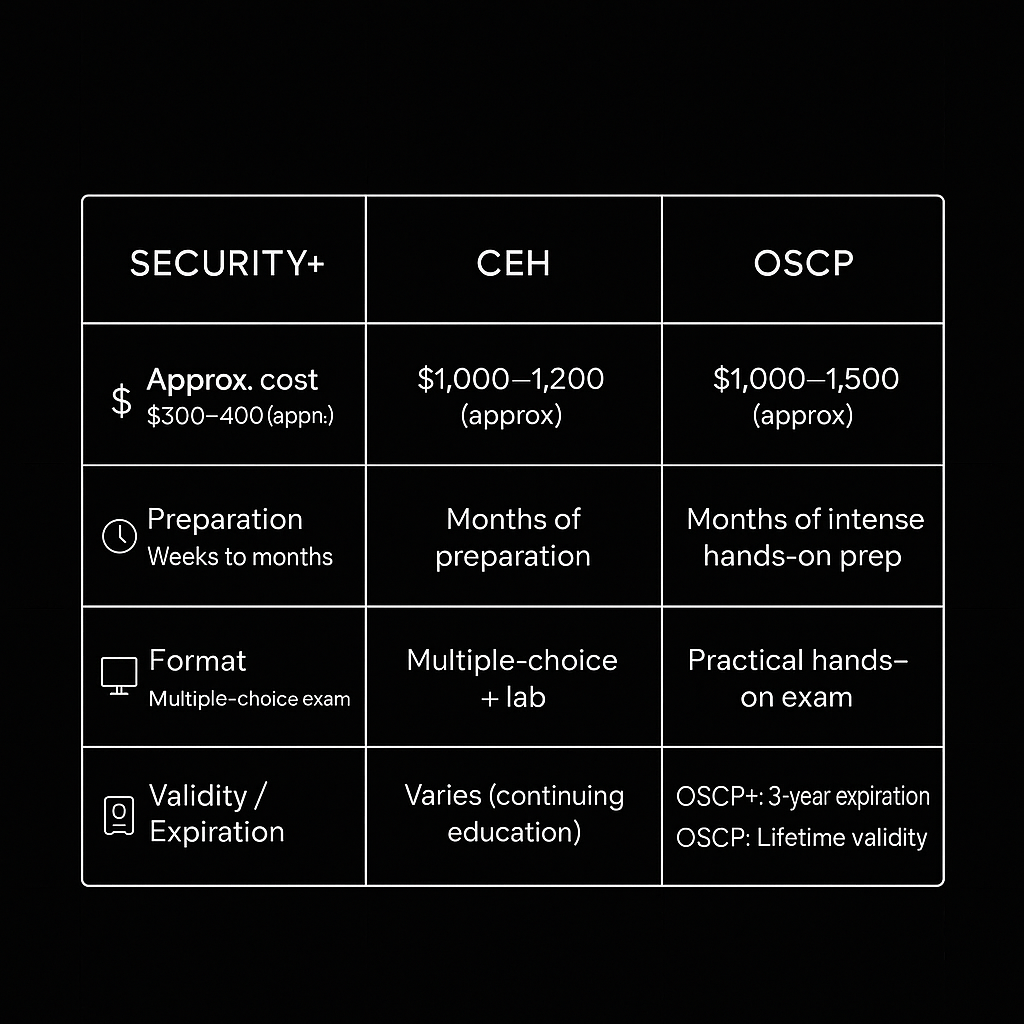
How to choose between Security+, CEH and OSCP
Choose Security+, CEH, or OSCP by target job, budget, practical skill, and the OSCP+ renewal rules in 2026.
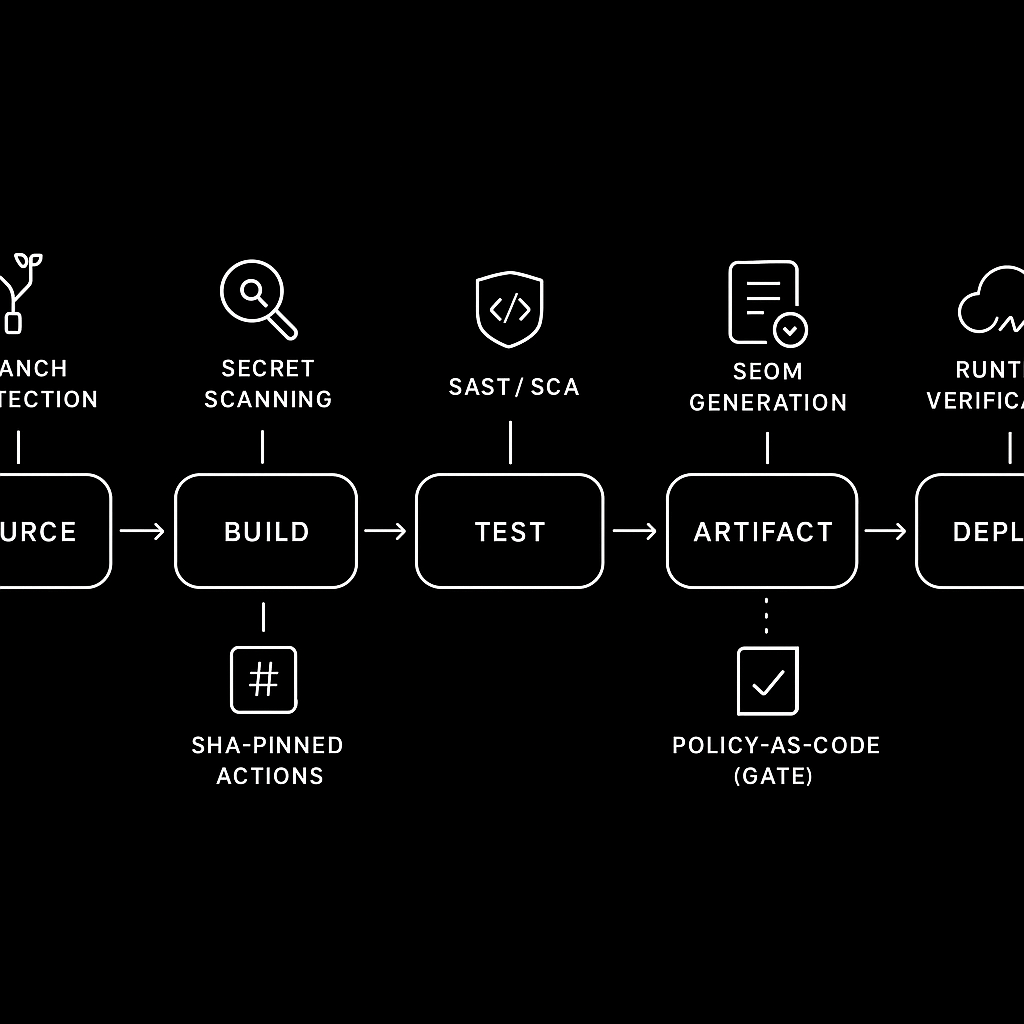
How to secure your CI/CD pipeline
Secure a CI/CD pipeline with NIST SSDF by controlling actions, permissions, dependencies, artifacts, and deployment in five steps.
How to secure Docker containers in production
Secure Docker containers in production with an ordered roadmap for images, runtime policy, daemon hardening, detection, response, and self-service.
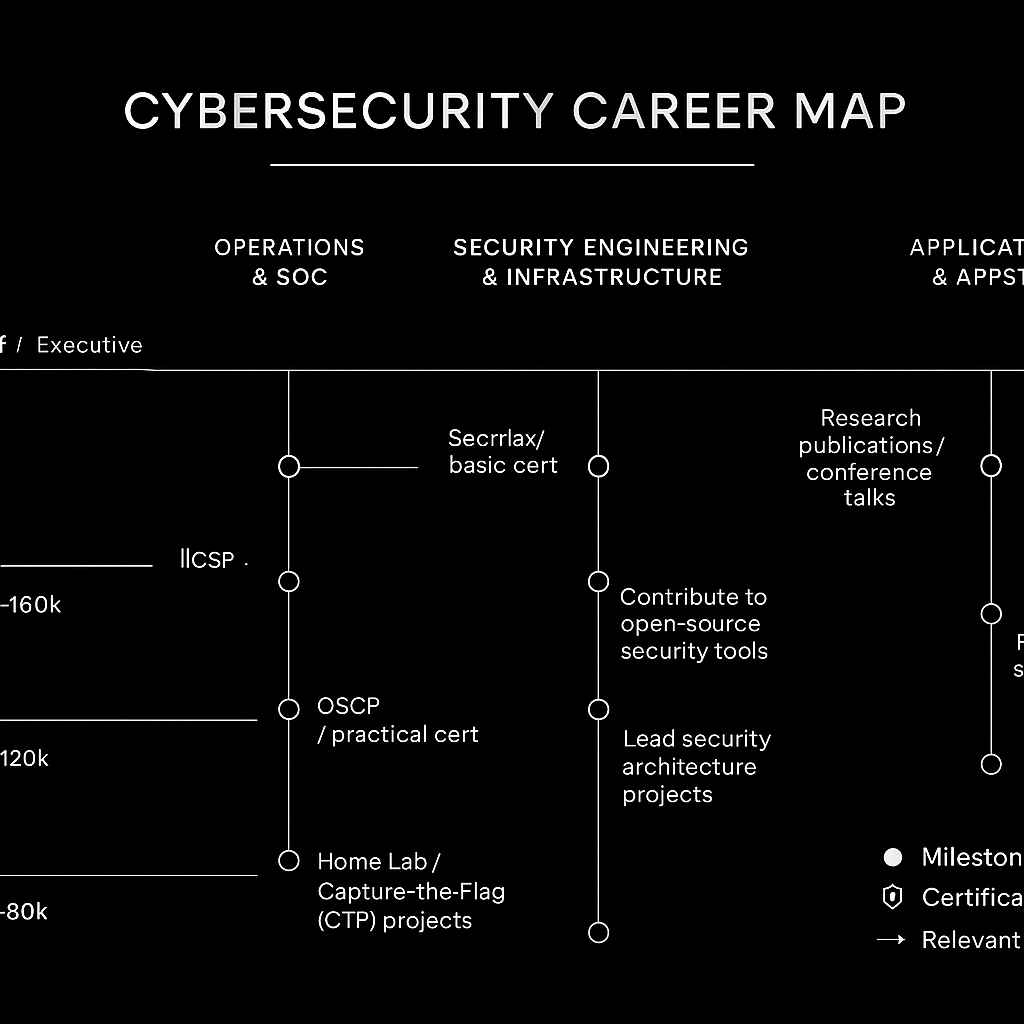
Cybersecurity hiring is strong but harder to enter in 2026
A practical cybersecurity career path for 2026, covering roles, salaries, certifications, portfolios, and realistic entry routes.
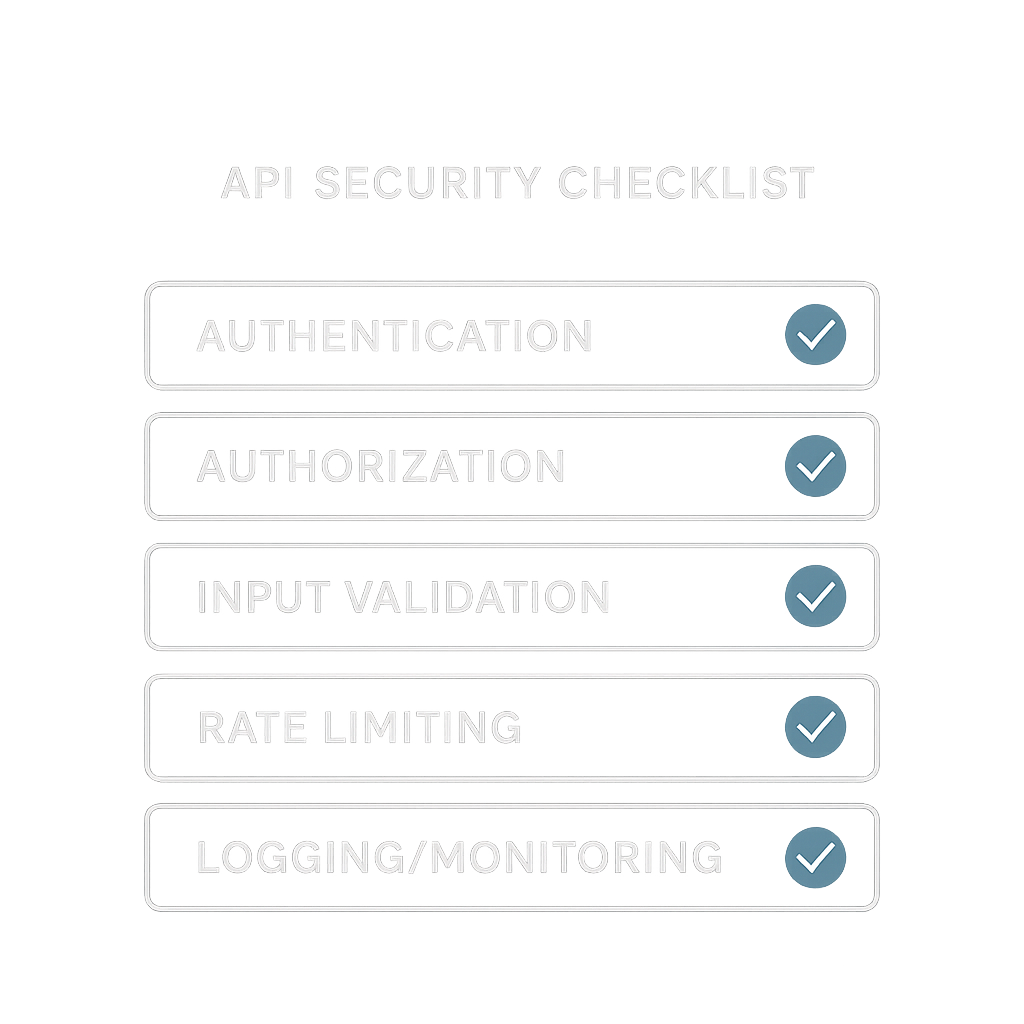
The API security checklist
The complete API security checklist for 2026: authentication, authorization, input validation, rate limiting, secrets, logging, and the vulnerabilities that still get APIs hacked.
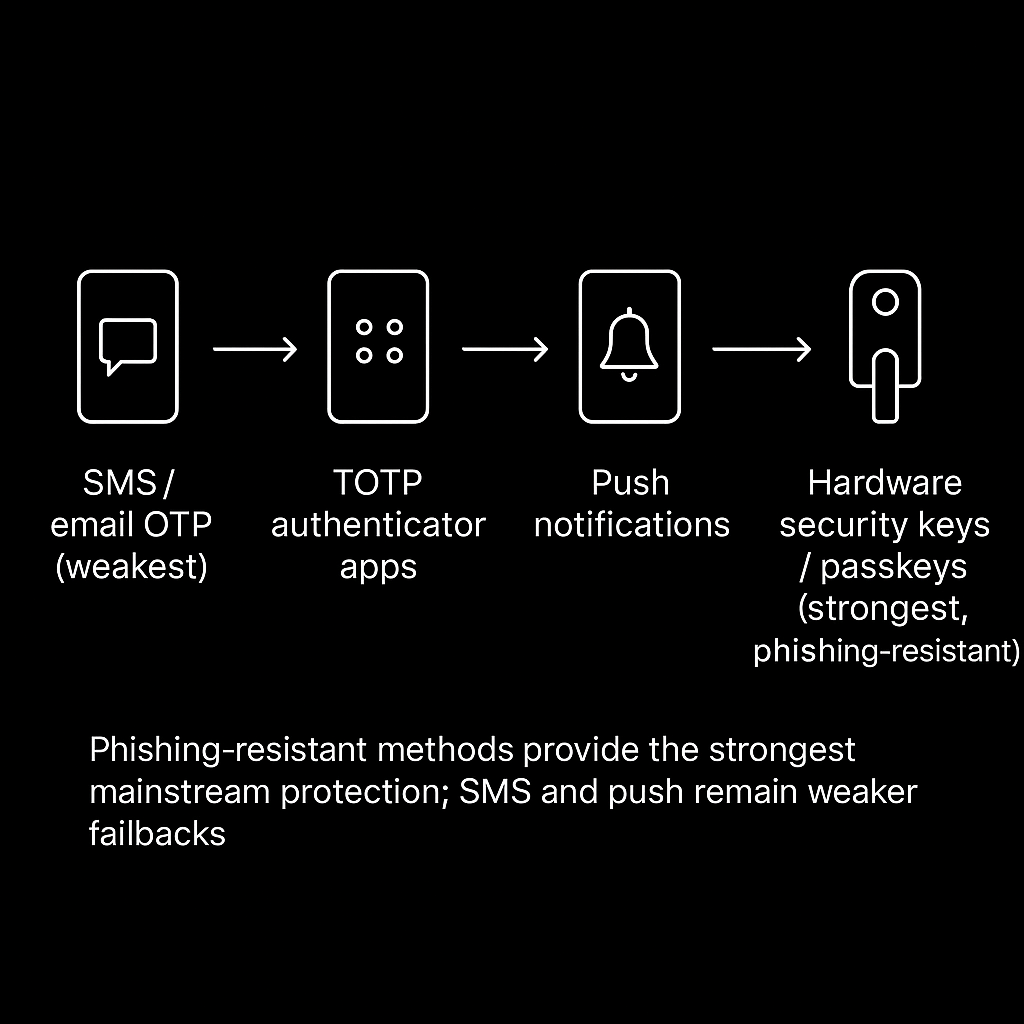
How to secure your accounts in 2026
Secure your accounts in 2026 with password managers, passphrases, MFA hierarchy, breach response, and the mistakes that still get people hacked.
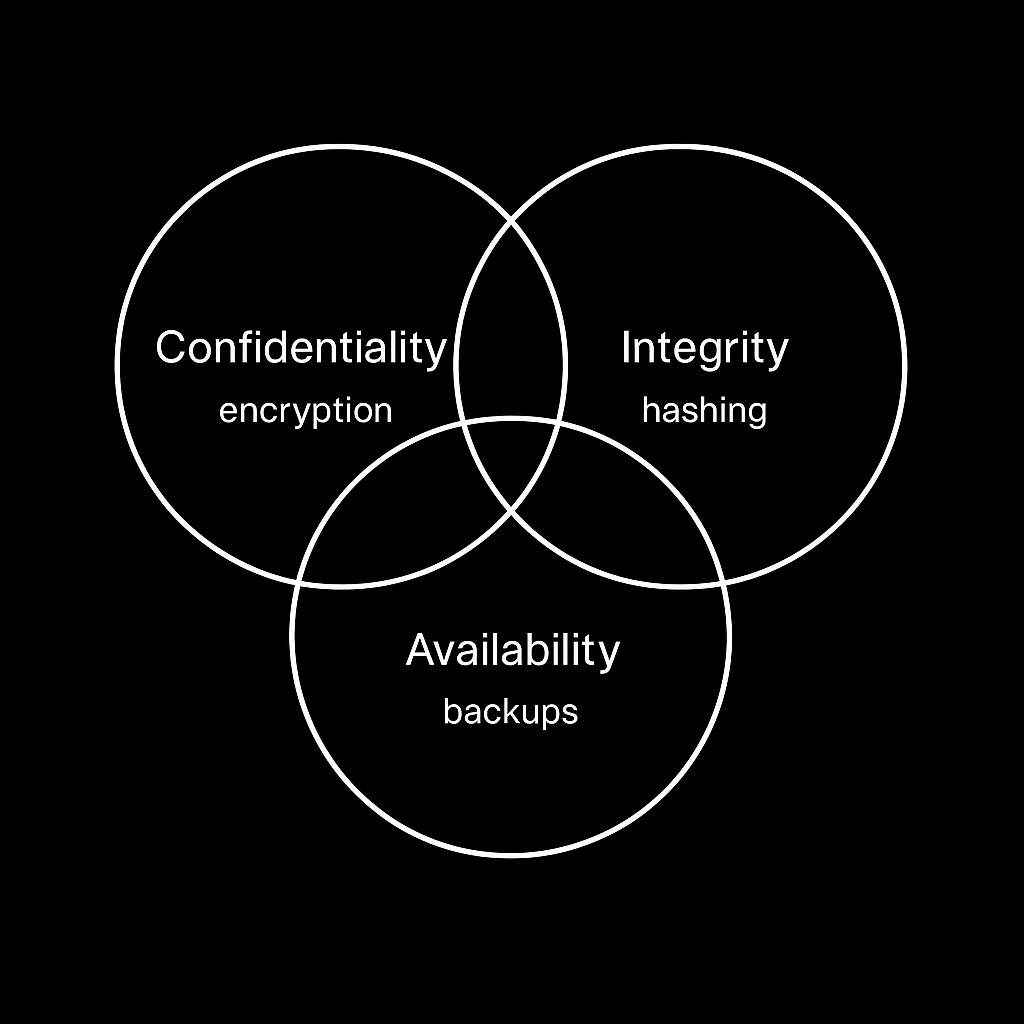
How to start cybersecurity in 2026
Learn cybersecurity in 2026 with a first-month plan, free labs, a safe home lab, and one sensible certification.
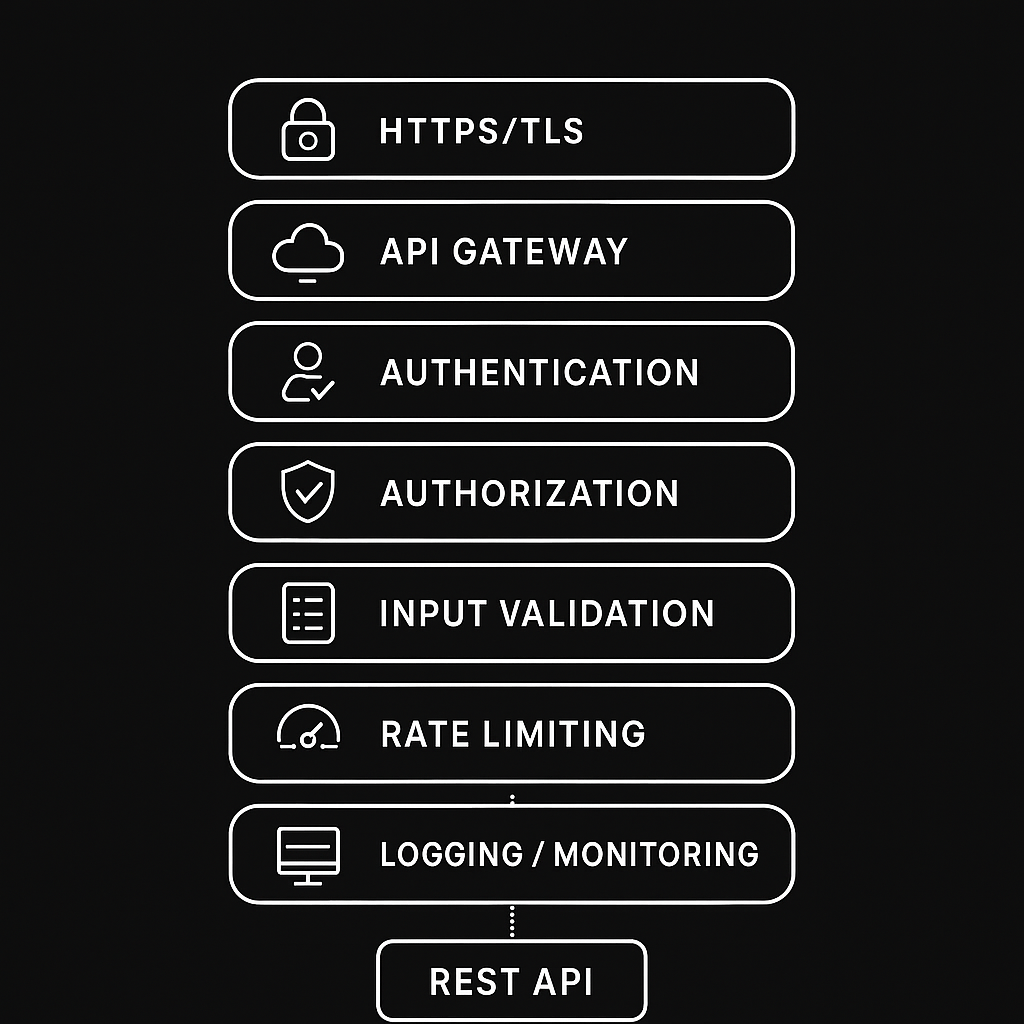
How to secure a REST API in 2026
Secure a REST API with testable controls for TLS, authentication, authorization, validation, rate limits, logging, and release.
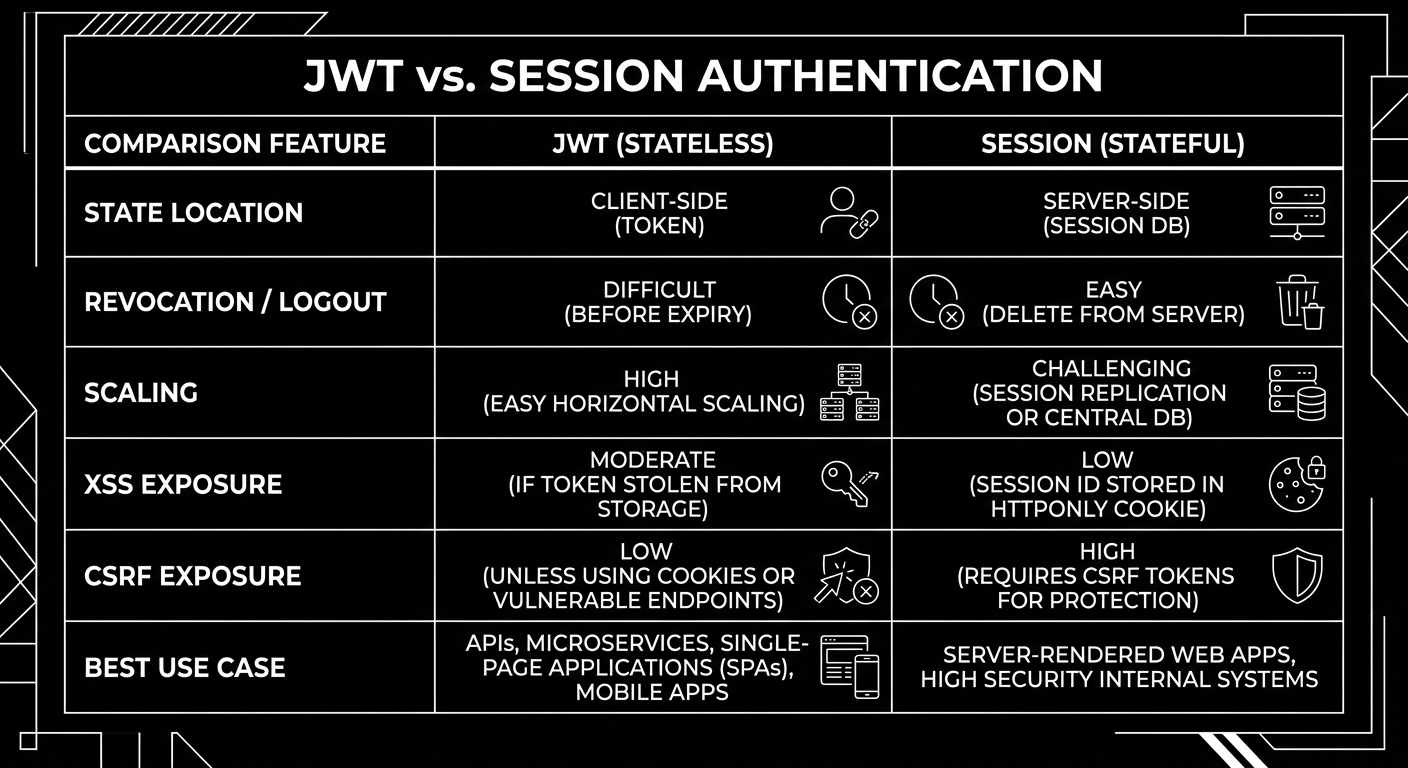
How to secure a Node.js API before production
Secure a Node.js Express API before production with sessions-first auth, validation, rate limits, CORS, Helmet, SQL safety, secrets, and a release checklist.
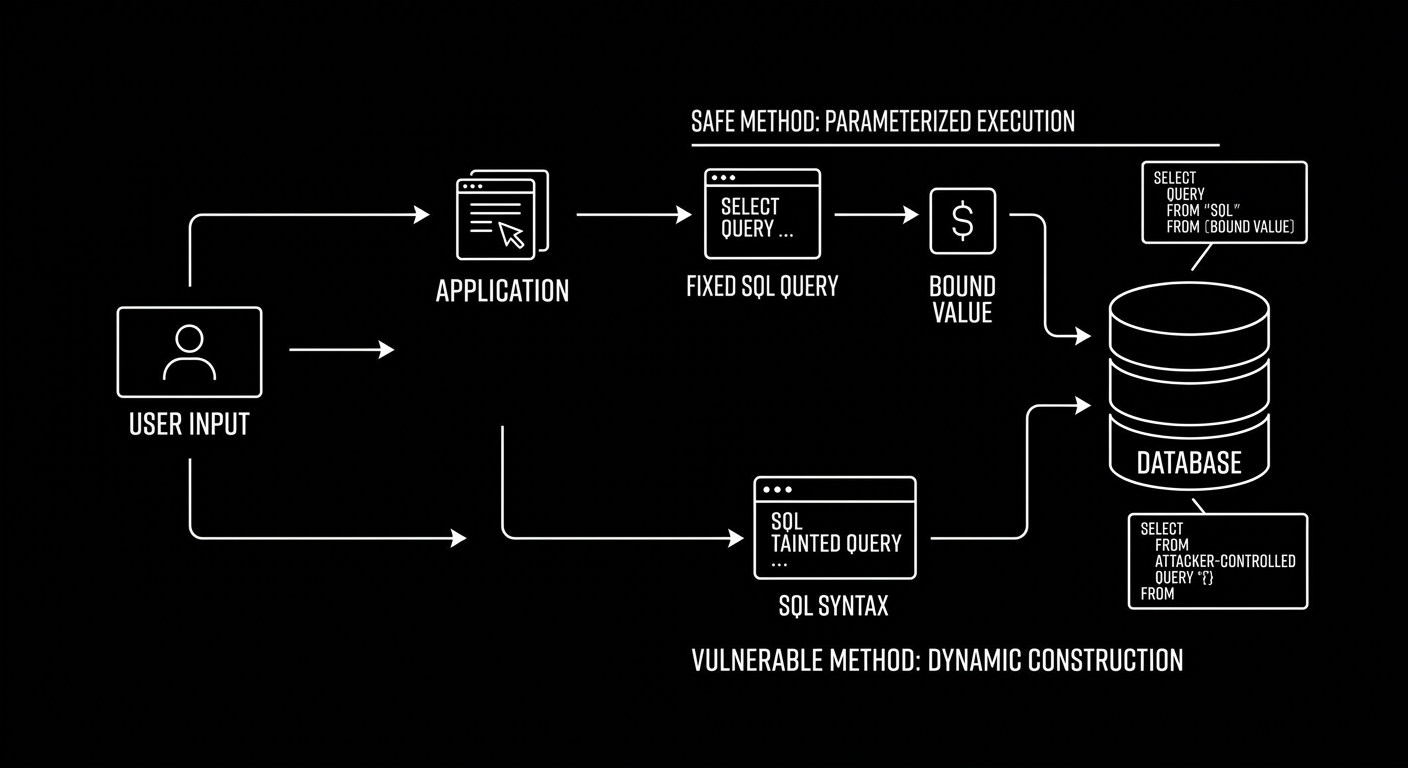
How to prevent SQL injection and test it safely
Understand SQL injection types, see real examples, learn every mitigation that matters, and test safely in a lab.
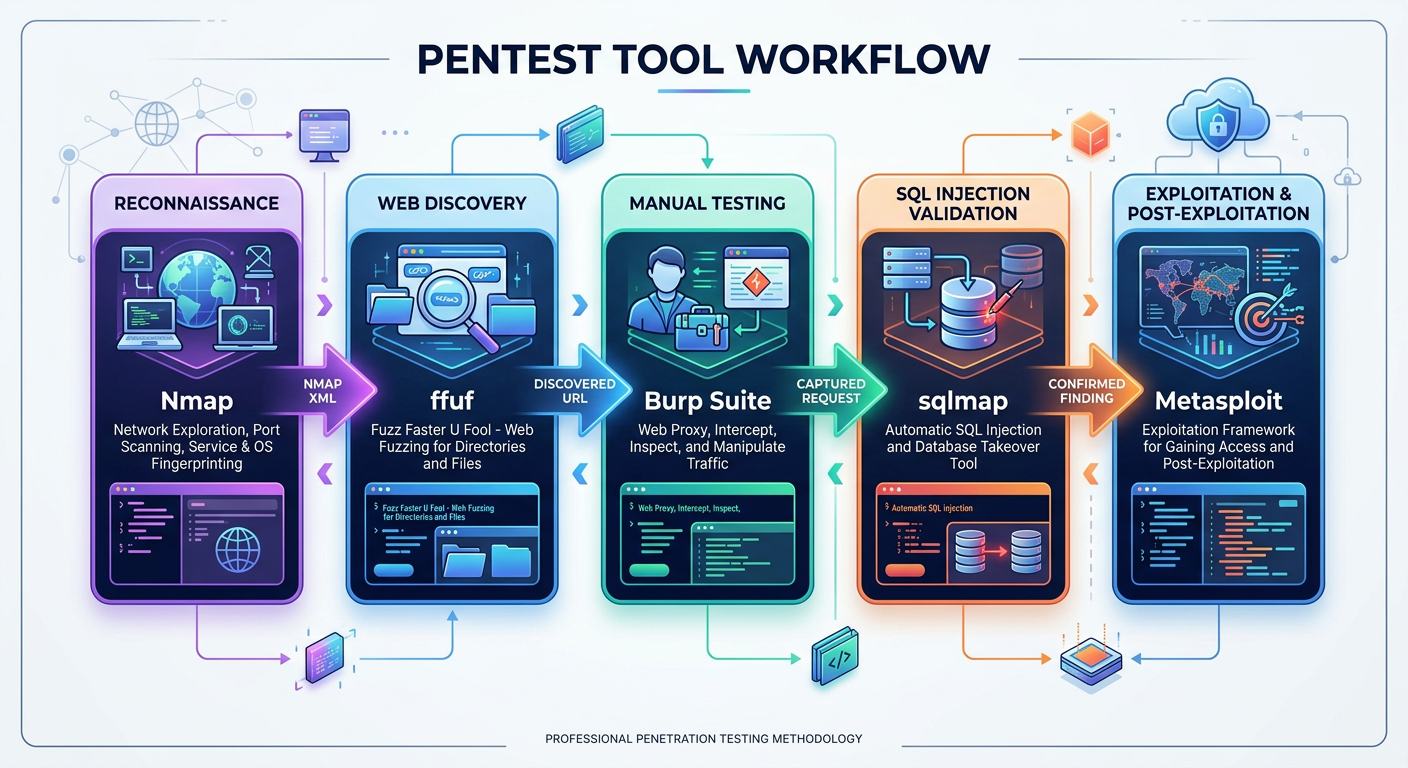
How to choose pentesting tools that fit the job
Choose penetration testing tools by evidence and scope, then connect Nmap, ffuf, Burp Suite, sqlmap, and Metasploit.
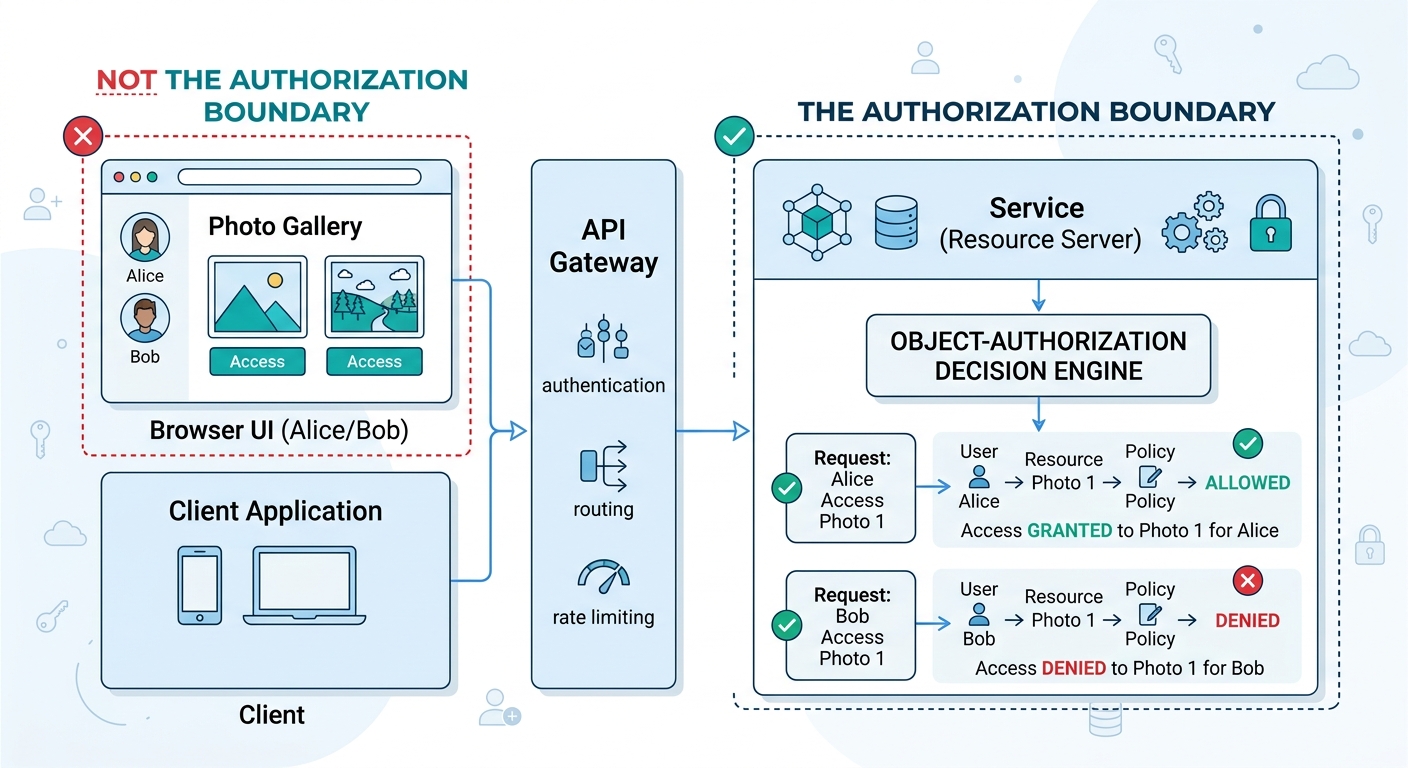
How to pentest a REST API with curl
Test a REST API with curl using two accounts: map routes, prove authorization boundaries, measure limits, and document SSRF safely.
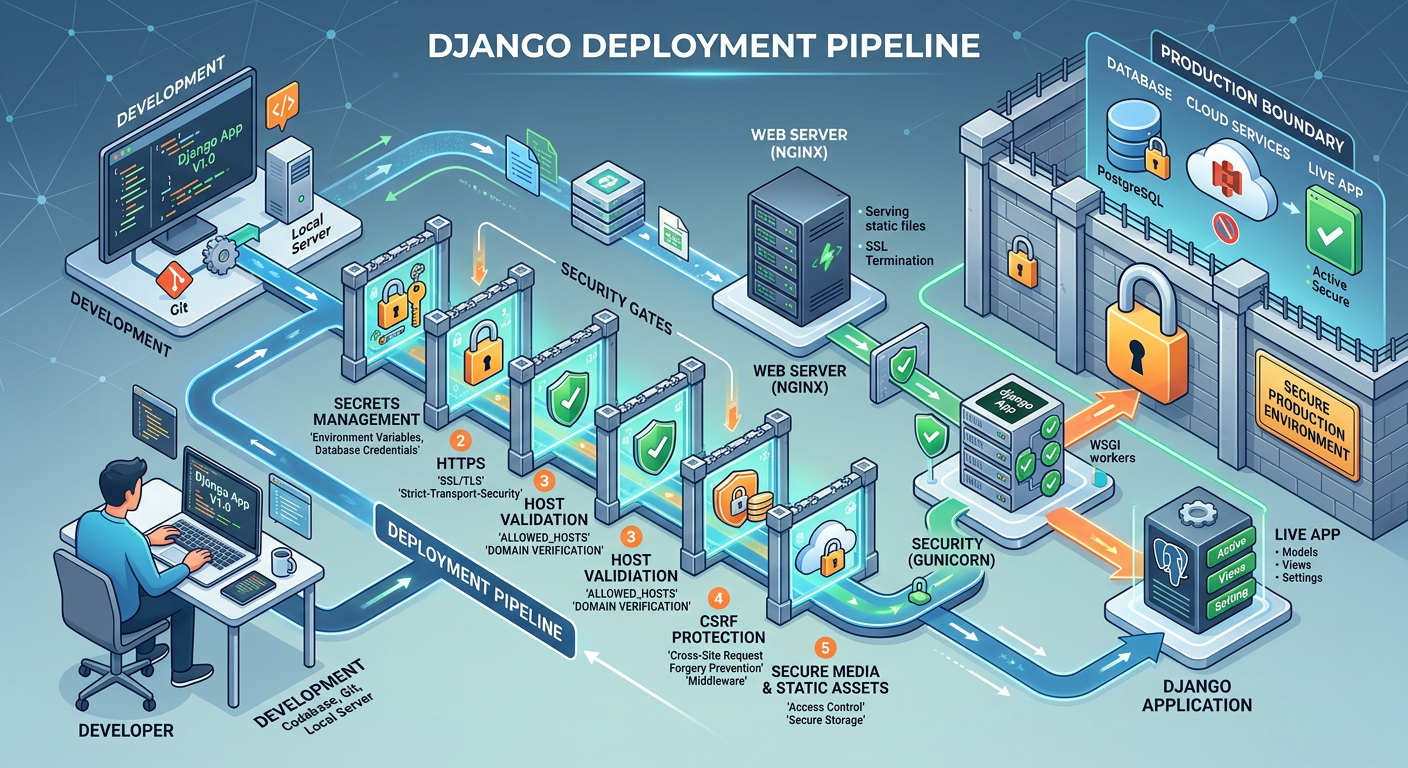
How to secure a Django app before production
A production Django security checklist for secrets, proxy headers, HTTPS, Host validation, CSRF, uploads, services, and release tests.
Best practices for securing a crypto wallet
Practical best practices to secure your crypto wallet: seed phrase safety, hardware wallets, multisig/MPC, safe signing (EIP‑712), approvals hygiene, backups, recovery, and phishing defenses.
Best practices for securing SaaS applications
Pragmatic, copy‑paste friendly guidance for multi‑tenant SaaS security across auth, data isolation, webhooks, uploads, and operations.
Best practices for securing SQLite
Simple, practical tips to secure SQLite: SQLCipher encryption, safe PRAGMA settings, file permissions, parameterized queries, backups, and key management.

How to secure a Flask app – Step by Step
A practical, production-focused hardening guide for Flask apps, with copy‑paste snippets.